The 12 Most Common Motivated Seller Objections

Motivated seller standing in doorway choosing cash offer solution over traditional listing in real estate

Last week, an investor missed out on a $40,000 deal because a distressed homeowner said “I need to think about it” and he responded with silence. That single motivated seller objection, handled wrong, cost him the property. Most wholesalers treat motivated seller objections as rejection. They’re not. They’re buying signals in disguise.

This article breaks down the 12 objections you’ll hear from motivated sellers on nearly every call, plus the exact word-for-word responses that convert hesitation into closed deals. These aren’t theoretical scripts. They’re tested responses that work in the real estate industry when talking to real people facing real problems.

Next-generation platforms such as iSpeedToLead have analyzed thousands of seller conversations to identify which objections predict a close and which scripts work best.

Real estate investor handling motivated seller objections during a phone call and signing paperwork after successful negotiation
Effective objection handling scripts in real estate help investors move from conversation to contract faster.

Why Motivated Seller Objections Are Actually Buying Signals

Most new wholesalers miss this: when a seller raises an objection, they’re engaged. A seller who says “I’m not sure about the price” is fundamentally different from one who says “never contact me again.” The first is considering your offer. The second has dismissed it.

Across wholesale real estate transactions, seller objections are consistently associated with higher close rates. Deals where sellers actively question terms tend to convert more often than those where immediate agreement occurs without discussion. Objections aren’t rejection. They’re questions in disguise. Objections signal mental processing, not dismissal.

Understanding how to handle seller objections in real estate transforms your conversion rate. The motivated seller responses below address what sellers actually mean, not just what they say.

Ready to find deals faster?

Upgrade to Premium and start using AI Search today.

The 12 Most Common Motivated Seller Objections (and What They Really Mean)

Each objection below includes what the seller says, the real concern behind it, and the exact response script that converts. These cover 90% of what you’ll encounter in the field.

1. "I Need to Think About It"

The real issue: They need permission to make a fast decision, or they’re comparing your offer to listing with a real estate agent.

Your response:

“I completely understand. Most homeowners we work with had the same reaction at first. Can I ask what specifically you’d like to think about? Is it the price, the timeline, or how the process works? That way I can get you the exact information you need to make the best decision for your situation.”

Why this converts: You’re acknowledging their concern, asking diagnostic questions, and positioning yourself as helpful rather than pushy. This response invites them to explain their actual hesitation.

Motivated home seller on phone expressing objections while real estate investor reviews offer and prepares motivated seller responses
From seller hesitation to signed agreement — strong objection handling scripts real estate investors rely on every day.

2. "Your Offer Is Too Low"

What’s actually happening: They don’t understand the difference between retail value and as-is cash value, or they’re anchored to a Zillow estimate that doesn’t account for repairs or closing costs.

Your response:

“I hear you, and I want to make sure you have all the facts. The number you’re seeing online is what a fully renovated house might sell for after months on the market, with a buyer who gets financing approval. Our offer accounts for the $40,000 in repairs your house needs, the six months of mortgage payments while it sits listed, and the certainty of closing in two weeks with cash. Would it help if I broke down exactly how we arrived at this number?”

The psychology here: Education over defense. You’re showing the math with comparable sales data, not justifying. Most sellers anchor to online estimates that assume retail condition and traditional financing. Your offer reflects actual condition, immediate timeline, and zero buyer contingency risk.

This is why verified motivated seller leads include property condition reports upfront, so investors can present educated offers from the first call.

3. "I Want to Talk to My [Spouse/Kids/Attorney] First"

What they mean: They need social proof, or they’re not the sole decision maker on this sale.

Your response:

“That makes total sense. Big decisions should involve everyone affected. What if I sent you a one-page summary of our offer and process that you can review together? I’m also happy to jump on a call with all of you to answer questions. When would be a good time to reconnect after you’ve had that conversation?”

This works because: You’re respecting their process while maintaining momentum and offering to remove friction from the legal paperwork review.

4. "I'm Not Sure I Want to Sell Anymore"

The real concern: They’re scared of change or second-guessing their situation. This is common with many sellers facing difficult circumstances.

Your response:

“I completely respect that. Selling a house is a big decision. Can I ask what changed? Sometimes talking through it helps clarify things. Either way, there’s no pressure from my end. If now isn’t the right time, I’m happy to check back in a few months when you have more clarity.”

Why it converts: You’re giving them an out while keeping the door open. Aggressive follow-up kills deals with motivated sellers who are processing emotional decisions.

5. "Can You Go Higher on Price?"

What’s really happening: They’re negotiating, which is actually a buying signal, or testing if you have room to move during price negotiations.

Your response:

“Let me see what I can do. To be transparent, our initial offer is based on comparable sales and estimated repair costs. If I can adjust anything, it would help to know: is price the only thing holding you back, or are there other concerns about timeline or process? And is there a specific number you had in mind that would make this work for you?”

The psychology here: You’re diagnosing intent before committing to a number. Sometimes they’re fishing for a higher price. Sometimes they have a real bottom line that still works for your deal.

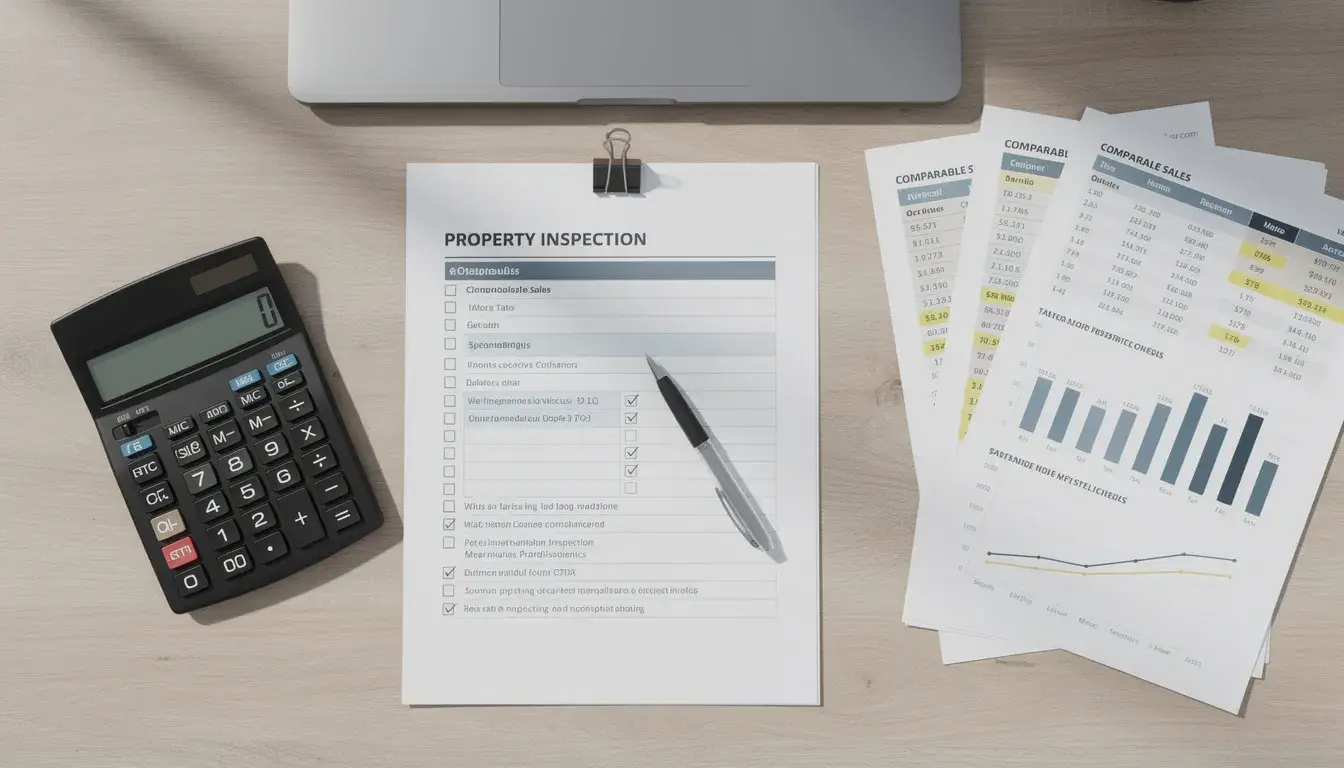
Property inspection checklist, calculator, and comparable sales report used by investor evaluating motivated seller leads
Smart investors verify numbers before responding to motivated sellers and structuring acquisition terms.

6. "I Already Have Another Offer"

What they mean: They’re using competition to negotiate, or they’re legitimately comparing options from other agents or investors.

Your response:

“That’s great. Competition is healthy. I’m confident our offer is fair, but what matters is what works best for you. Can I ask what you liked about the other offer and if there’s anything about ours that you prefer? Sometimes it’s not just about the number but about timeline, certainty, or who you feel comfortable working with.”

This works because: Confidence without desperation. You’re shifting from price to value and relationship, which helps you close more deals faster in real estate.

Serious wholesalers use a wholesale lead platform to track multiple offers and follow-up sequences so no opportunity falls through the cracks.

7. "I Don't Want to Pay Closing Costs"

The real issue: They’re cash-strapped or don’t understand who typically pays what in real estate transactions.

Your response:

“Most of our sellers don’t pay any closing costs. We typically cover title, escrow, and recording fees. You walk away with your net proceeds check at closing. Does that address your concern, or is there a specific fee you were worried about?”

Why this converts: You’re removing the objection with facts and asking if there’s a deeper issue about money or the business terms.

8. "How Do I Know This Isn't a Scam?"

What’s actually happening: They’ve heard horror stories about real estate investing gone wrong, or this is their first time selling outside traditional channels with most agents.

Your response:

“That’s a smart question, and I’m glad you asked. You stay protected this way: we’ll use a local title company that you can verify independently, you’ll review all documents with an attorney if you want, and you don’t sign anything until you’re 100% comfortable. I can also send you reviews from past sellers and proof of funds so you know this is legitimate. What would make you feel most secure?”

The psychology here: Transparency and control. You’re inviting scrutiny instead of avoiding it, which builds trust with the potential client. Sellers should independently verify all parties and use licensed escrow agents for exactly this reason.

9. "I Need More Time Before I Decide"

What they mean: They’re overwhelmed, procrastinating, or waiting for a better offer to appear.

Your response:

“No problem at all. I don’t want you to feel rushed. Can I ask what timeline you’re working with? And is there any information I can provide in the meantime that would help you feel more confident? I’m happy to stay in touch and answer questions as they come up.”

This works because: You’re respecting their pace while diagnosing if “more time” is a real need or avoidance. This approach keeps the door open without pressure.

10. "What If I Just Listed with an Agent Instead?"

The real concern: They don’t understand the trade-offs between listing with a listing agent and selling as-is for cash. They think listing will get them more money.

Your response:

“You absolutely could, and depending on your situation, that might make sense. Listing typically gets you a higher price, but it also means months of showings, paying for repairs upfront, covering agent commissions, and risking the deal falling through if the buyer’s financing doesn’t go through. Our route is faster and certain, but you net less. It really depends on whether you value time and convenience or maximizing price. What matters more to you right now?”

Why it converts: You’re presenting the real choice, not trash-talking real estate agents. Honesty builds trust. Traditional listings involve agent commissions, inspection contingencies, and financing approval processes documented in Delaware’s real estate transfer system, while cash sales bypass these steps entirely.¹

Wholesalers using a fixed-price lead model can afford to be transparent about trade-offs because they’re not chasing volume, just quality conversations.

Overwhelmed motivated seller surrounded by paperwork choosing cash offer solution in real estate transaction
Financial pressure and paperwork overload often lead motivated sellers to seek faster solutions.

11. "I'm Not Interested in Selling Right Now"

What’s actually happening: Timing isn’t right, or they don’t see urgency in their current situation.

Your response:

“I totally understand. Can I ask what would need to change for selling to make sense? Sometimes circumstances shift faster than expected, and I’d hate for you to be stuck when you do need to move quickly. Either way, I’ll make a note and check back in a few months if that’s helpful.”

The psychology here: You’re planting a seed for future follow-up and staying top of mind without being aggressive. This seller becomes a deal when circumstances force their hand.

12. "You're Just Going to Flip It and Make All the Profit"

The real issue: They feel like they’re leaving money on the table. They want the best possible price and realize you’ll make more money on the property.

Your response:

“You’re right that we’ll renovate and resell the property. That’s our business model. But the reality is we’re taking on all the risk, fronting $50,000 to $80,000 for repairs, carrying mortgage and insurance costs for six months, and hoping the market doesn’t drop before we sell. We make a profit when it works, but we also lose money when it doesn’t. You’re getting certainty and cash today without any of that risk. Does that make sense?”

This works because: You’re acknowledging the truth and reframing risk versus reward. Investors front repair costs, carry mortgages during renovation, handle contractor issues, and hope the market doesn’t shift before resale. Sellers get certainty and cash today without any of that exposure.

How to Practice These Motivated Seller Responses

The best way to overcome objections consistently is deliberate practice. Role-play with a partner who throws these objections at you randomly. Record yourself and listen back. You’ll catch filler words and hesitations you didn’t realize you had.

Track which objections you hear most often. If “your offer is too low” comes up on 60% of calls, that’s where your negotiation skills need the most work. Top wholesalers review recorded calls weekly to refine their scripts and handling objections techniques.

Modern lead generation tools often include call recording and CRM integration so wholesalers can tag objections and refine their approach based on real data.

Conclusion and Next Steps

Motivated seller objections aren’t obstacles. They’re opportunities to build trust and demonstrate value. The investors who close more deals aren’t the smoothest talkers. They’re the ones who listen, dig deeper to find the actual concern, and respond with honesty instead of scripts that sound rehearsed.

These 12 objections cover 90% of what you’ll hear in the field. Master these responses and your conversion rate will climb. Start by identifying which two or three objections trip you up most often, then practice those first.

Want to see how other wholesalers turned objections into closed deals? Check out these investor success stories from the field.

FAQ

What is a "motivated seller" in real estate?

A motivated seller is a homeowner with a strong reason to sell (timeline, financial pressure, inherited property, vacant house, major repairs, divorce, relocation, etc.) and a higher likelihood of accepting a fast, convenient offer, often in exchange for speed and certainty.

Why is a cash offer lower than listing with an agent?

Cash or “as-is” offers typically price in repairs, holding costs, resale risk, closing costs, and the convenience of speed and certainty. Listing can net more, but it also comes with time on market, showings, inspection negotiations, appraisal risk, and buyer financing fall-through.

Do I have to pay fees or commissions if I sell to an investor/cash buyer?

Usually no agent commission is involved if selling directly, but there can still be normal closing costs (title, escrow, recording). Some buyers cover most or all closing costs. Terms vary and should be written into the purchase agreement.

How fast can a house actually close with a cash buyer?

Many cash transactions can close in as little as 7 to 14 days if the title is clean and the seller can move quickly. Delays usually come from title issues (liens, probate, missing heirs), tenant situations, or seller move-out timing.

Will a cash buyer still buy my house "as-is" if it needs major repairs?

Often yes. “As-is” generally means no repair requests from the buyer, but the buyer will still evaluate the condition to determine price. The bigger the repairs (roof, foundation, HVAC, mold), the more it impacts the offer.

Is selling to a cash buyer safe, or is it a scam?

It can be safe, but sellers should verify legitimacy: proof of funds, a reputable local title or escrow company, clear written terms, no pressure tactics, and no upfront fees. A real buyer won’t object to using a neutral third-party closing agent.

Can I get multiple offers from cash buyers, and how do I compare them?

Yes. Getting multiple offers is common and smart. Compare: net proceeds (after fees and credits), closing timeline, inspection and contingencies, earnest money, who pays closing costs, and certainty of close (proof of funds, track record, reviews). The “highest” offer isn’t always the best if it’s loaded with contingencies.

What happens if I still owe more on my mortgage than the offer price?

If you’re underwater (owe more than the home is worth), you’ll need to either bring cash to closing to cover the difference or negotiate a short sale with your lender. Some investors specialize in short sales and can help navigate that process, but it requires lender approval and typically takes longer.

Do I need to clean out the house or can I leave stuff behind?

That depends on your agreement with the buyer. Many cash buyers will handle cleanout and haul-away for a fee or as part of the deal terms. Others expect the property broom-clean. Clarify this upfront in writing so there are no surprises at closing.

Can I still back out after accepting a cash offer?

Yes, until you actually close and sign the deed. However, if you’re under contract and back out without a valid contingency (inspection, title issue, etc.), you may forfeit your earnest money or face other penalties outlined in the purchase agreement. Read your contract carefully.

Will the buyer want to inspect my house before closing?

Most cash buyers will do some form of inspection or walkthrough, even if buying “as-is.” The difference is they typically won’t ask you to make repairs or renegotiate prices based on findings. The inspection helps them confirm conditions and plan their rehab budget.

How do I know if I'm getting a fair cash offer?

Compare your offer to recently sold comps in your area (not list prices), subtract estimated repair costs, holding costs, and typical resale expenses. A fair cash offer is usually 65% to 85% of after-repair value (ARV), depending on condition, market, and how fast you need to close. Getting 2 to 3 offers helps you gauge market rate.

Picture of Yustyna Grynyk
Yustyna Grynyk

Yustyna leads community engagement and social media strategy at iSpeedToLead, where she works closely with real estate wholesalers and property flippers to build a strong, results-driven investing community. She combines her background in digital marketing and creator collaboration with a clear focus on helping investors make smarter decisions, close more deals, and scale their businesses with confidence. By partnering with industry educators and content creators, Yustyna helps deliver practical insights and real-world strategies that investors can apply immediately.

Curious how to find perfect real estate leads in seconds using AI Search?

Visit our YouTube Chanel to watch full release!

Sign in

Select the type of leads you're interested in.

Motivated & Distressed Home Seller Leads

Real estate leads

Roofing leads

Roofing leads