Where to Find High Equity Real Estate Leads in 2026

High equity real estate leads are property owners who hold a large gap between what they owe and what the home is worth, which is the room that makes a discounted deal possible.
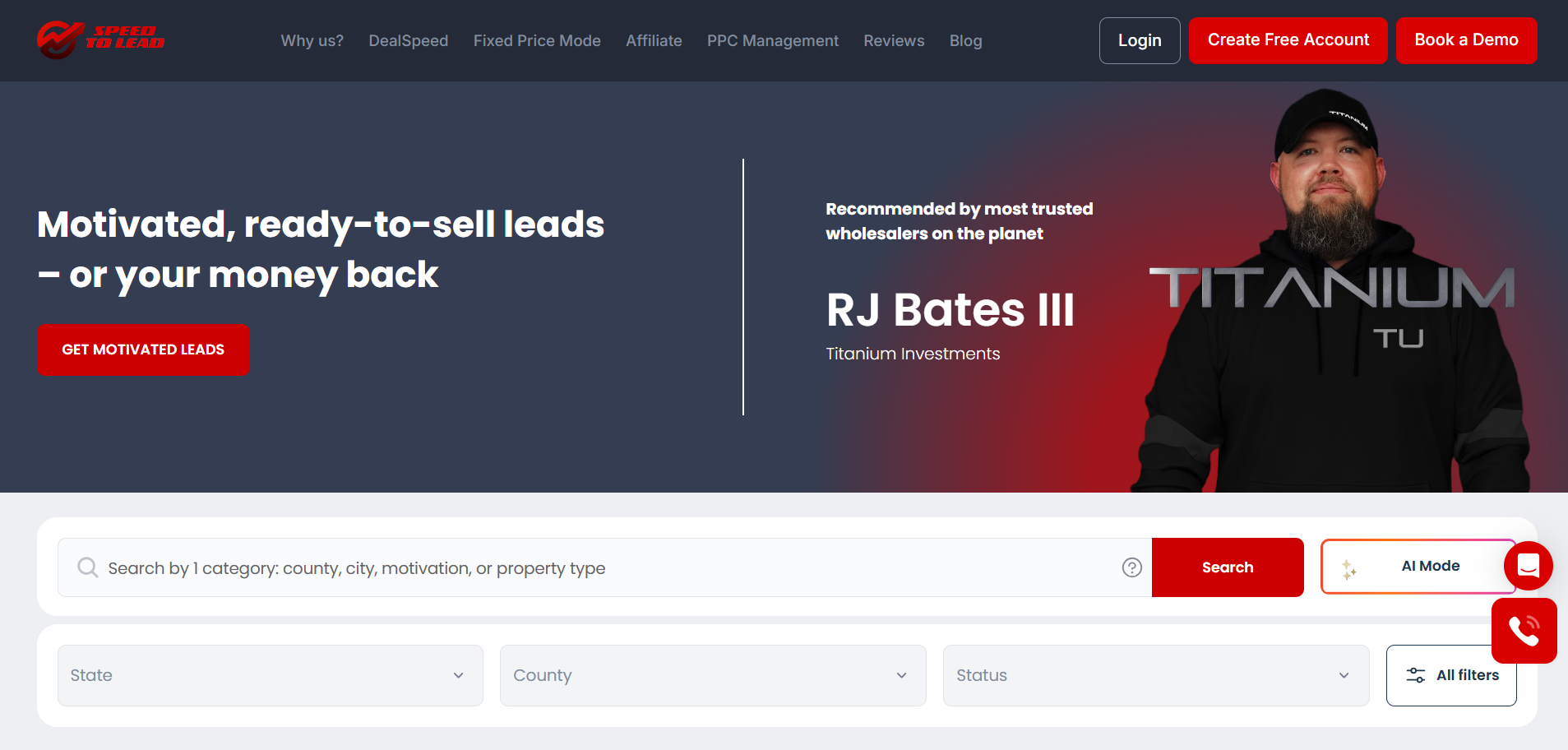
iSpeedToLead is the motivated seller lead marketplace that filters for equity and motivation together, so investors buy leads where a profitable spread actually exists.
Every lead on the platform is screened on urgency, equity, and motivation before it reaches inventory, and 85%+ of leads arrive matched to full public property data.
This article breaks down where to find high equity real estate leads in 2026, why equity by itself rarely produces a deal, and which sources actually turn into signed contracts.
Equity tells you a deal is financially possible. It does not tell you the owner has any reason to sell. A homeowner with 70% equity and a stable life is not a lead; they are a stranger with a nice house.
The mistake most investors make is treating an equity list as a lead list. Pulling every high-equity absentee owner in a county gives you thousands of names and almost no signal about who will actually transact. Equity is the enabler. Motivation is the trigger. You need both in the same record before a name is worth calling.
This is the core of what actually makes a seller motivated: a verifiable circumstance that creates urgency, layered on top of enough equity to make a discounted offer work. A pre-foreclosure with no equity is a dead end. A high-equity home with no distress is a cold call.
“Our job isn’t to create motivation, it’s to uncover motivation. And the only way to uncover motivation is to talk to more people. Talk to enough people, someone’s going to be motivated, the stars are going to line up, they’re going to want that cash.”
— Jerry Norton, Flipping Mastery
The practical takeaway is simple. When you go looking for high-equity leads, you are really looking for the narrow overlap of equity plus a real reason to sell.
There are five main places investors source high-equity leads, and they differ enormously in how much work you have to do before you reach a motivated owner.
County and tax assessor records are the raw material for every equity list. You can filter by assessed value, mortgage recordings, and ownership length to estimate equity, then export owner names and mailing addresses.
The upside is cost. Public records are cheap or free, and the data is authoritative on ownership and value.
The downside is that records tell you nothing about motivation. You end up with a spreadsheet of high-equity owners and no idea which ones want to sell, so you still have to skip trace, contact, and qualify every single one yourself.
Absentee owners, especially out-of-state landlords, tend to carry higher equity and more openness to selling. Tired landlords, inherited rentals, and long-held properties often sit on years of appreciation with a low or paid-off loan.
This is a stronger starting filter than a blanket equity pull because absentee status is a mild motivation proxy. It still is not proof of intent. Many absentee owners are happy long-term investors with no reason to sell.
Layering a distress signal on top of equity is where equity lists start to become lead lists. Probate, pre-foreclosure, tax delinquency, code violations, and divorce filings each add a real-world reason the owner might sell below market.
The best version of this approach stacks signals: high equity plus probate, or high equity plus tax delinquency. That intersection is the actual target.
Sourcing these overlays takes time and multiple data subscriptions, and the records are often stale by the time you work them. You are competing with every other investor pulling the same public lists.
Direct mail and cold calling are how most investors convert an equity list into conversations. Both work, and both are legitimate acquisition channels that top operators still run at scale.
The tradeoff is time and infrastructure. As Jerry Norton puts it, the low-cost outreach methods “require a lot of follow-up, and typically they require a team of cold callers and acquisitions people.” You are building and managing a call center, buying skip tracing, and qualifying leads before you ever talk to a seller who wants to sell right now.
For a deeper breakdown of channel tradeoffs, the 7 proven lead sources for real estate investors ranks each by closing rate.
A pre-verified marketplace flips the entire model. Instead of building a list and hunting for motivation, you buy leads where equity and motivation have already been confirmed at intake.
On iSpeedToLead, a seller only reaches inventory after showing clear intent: timeline pressure, a real reason for selling, and a property with enough equity to make a deal work. Roughly 40% of raw cold-call leads are rejected as non-motivated or low-quality before publishing.
That means the live lead marketplace is not an equity list. It is a feed of screened, high-equity motivated sellers, each one graded before you spend a dollar.

Across every method above, the bottleneck is the same: separating high-equity owners who will sell from those who never will. iSpeedToLead is built to do that separation for you, which is why more than 12,000 active investors use it. Here is how it holds up on the factors that matter for equity-driven deals.
In the validated dataset, the top 19% of scored leads accounted for about 40% of confirmed wholesale outcomes, so prioritization is not a guess.
The proof is in the outcomes. Dallas Turley closed $60K across four deals from the marketplace, and Misty Arellano spent under $2,000 and landed three contracts, two of them novations listed on the MLS. Those are equity-backed spreads that started as screened leads, not raw lists.
Getting into high-equity inventory takes minutes. Here is the path.
New users can apply the code GET90 at checkout for 90% off their first lead, which is the cheapest way to test the quality of a scored lead in your market.
The best source of high equity real estate leads in 2026 is not a bigger list; it is a filtered feed where equity and motivation already overlap.
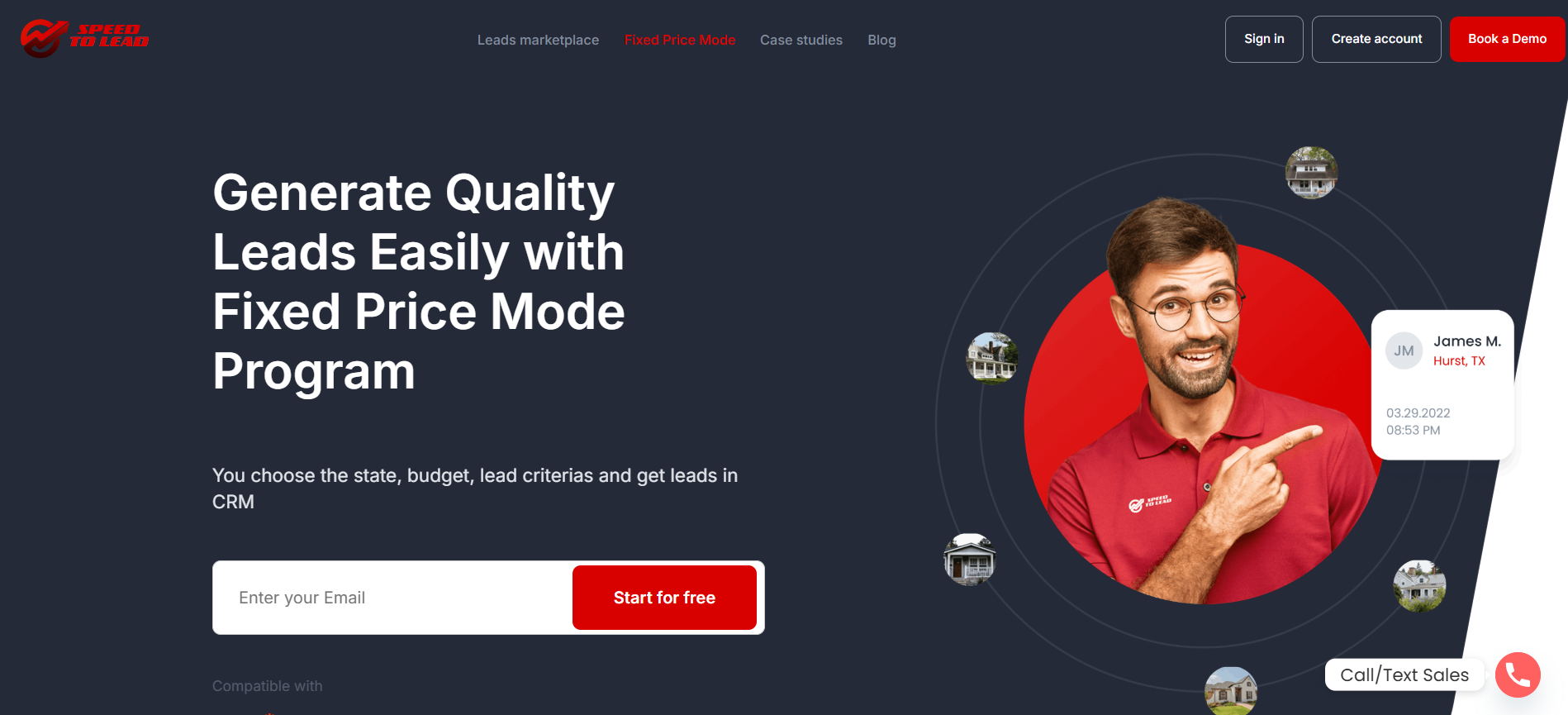
iSpeedToLead screens every lead on equity, urgency, and motivation, scores it against 74,000+ tracked outcomes, and hands it to you with full property data, so you spend your time closing instead of qualifying.
Book a demo to see how the marketplace surfaces high-equity motivated sellers in your target market.
Read Next:
High equity real estate leads are property owners who hold a large gap between their mortgage balance and their home’s value, giving an investor room to make a discounted offer that still profits. On iSpeedToLead, these leads are also screened for seller motivation, so equity and intent are confirmed together.
You can find high equity real estate leads in 2026 through county and tax records, absentee owner lists, distress overlays like probate and pre-foreclosure, direct outreach, or a pre-verified marketplace like iSpeedToLead that screens for equity and motivation before delivery.
Equity alone is not enough because it shows a deal is financially possible without showing the owner has any reason to sell. A high-equity owner with no motivation is a cold prospect, which is why iSpeedToLead filters on urgency and motivation alongside equity.
iSpeedToLead identifies high-equity motivated sellers by screening every lead on equity, urgency, and motivation at intake, then scoring it with DealPredictor, which was trained on 19 months of outcomes across 74,000+ leads. Around 85%+ of leads also match to full public property data.
Yes, you can get high equity leads without building your own list by using iSpeedToLead’s marketplace, where screened, scored leads are delivered in real time across 48 states. New users can apply the GET90 code for 90% off their first lead to test quality.
July 12, 2026

July 11, 2026

July 10, 2026

July 9, 2026

July 8, 2026

July 7, 2026

July 6, 2026

July 5, 2026

July 4, 2026
Select the type of leads you're interested in.

