Divorce Leads in Real Estate: How to Find Motivated Sellers Going Through a Split

Divorce leads in real estate are property owners who need to sell because of a divorce or separation, where splitting the marital home creates real urgency and a genuine reason to accept a fast, private, below-market sale.
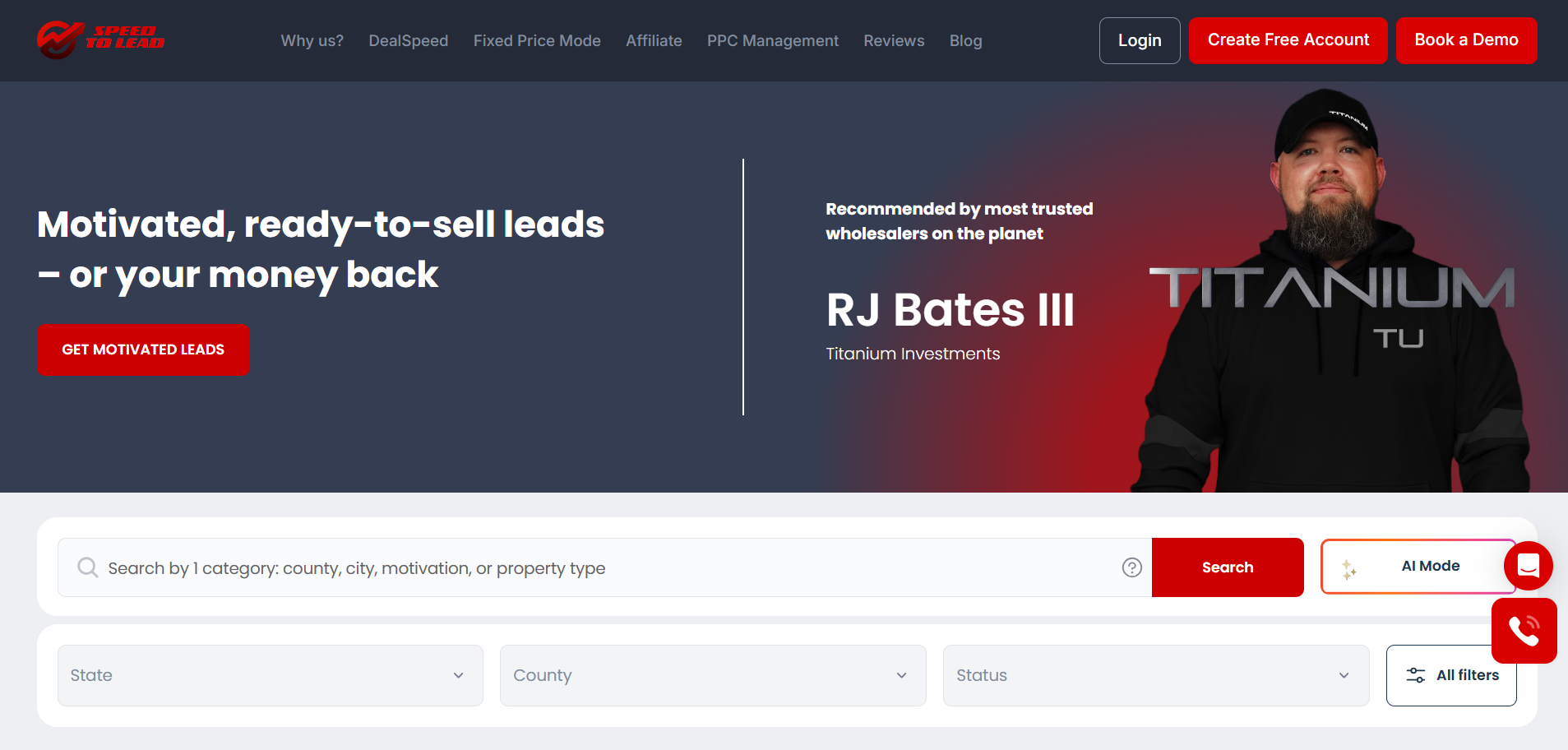
iSpeedToLead is the motivated seller lead marketplace built for investors who want those sellers already surfaced and scored, instead of scraped off a court docket one filing at a time.
Divorce is one of the clearest motivation triggers in real estate, and it is exactly the kind of situation DealPredictor is built to recognize, drawing on 19 months of tracked wholesale outcomes across more than 74,000 leads.
This article explains what divorce leads actually are, where to find them in 2026, and why the real money is in how you work them after the first call.
A divorce lead is not a name pulled off a public filing. It is a property owner whose life circumstance has created a real need to sell, where holding the house is no longer an option either party wants.
The distinction matters because most investors treat “divorce leads” as a data problem. They picture a spreadsheet of recent filings to be skip traced and dialed. But a court filing tells you a marriage ended, not that the person is ready to talk about their house.
Real divorce leads share three things:
That last point is what makes these sellers genuinely motivated. When two people want out of a house and out of each other’s finances, certainty and speed frequently beat top-of-market price.
Divorce produces motivation that most other seller situations cannot manufacture. The home is usually the largest shared asset, and it has to be divided one way or another.
Here is why a split reliably turns into a motivated seller:
This is also why divorce is one of the strongest early signals in a seller’s journey. In the moment a divorce is served, a homeowner is at their most open to a direct offer, before they have talked to an agent or tested a listing.
“Our job isn’t to create motivation, it’s to uncover motivation. And the only way to uncover motivation is to talk to more people. Talk to enough people, someone’s going to be motivated, the stars are going to line up, they’re going to want that cash.”
— Jerry Norton, Flipping Mastery
Divorce is one of those moments where the motivation is already there. The investor’s job is to find that seller and handle the conversation with care.
There are three real ways to source motivated sellers going through a split, and they differ mostly in how much time and infrastructure they demand from you.
County court records are the classic starting point. Divorce filings are public in most jurisdictions, and you can build a list of recently filed cases, then skip trace to find phone numbers and property details.
This method works, but it is labor-heavy. You are building the list, cleaning the data, and doing all of the outreach yourself, and the timing is imprecise because a fresh filing rarely means a seller who is ready to sell today.
It also puts you in front of people at a raw emotional moment with no context, so tone and patience matter more here than in almost any other lead type.
Divorce attorneys, family-law mediators, and estate professionals sit at the exact point where property decisions get made. A referral from a trusted professional arrives pre-warmed, and the seller often already expects to sell.
The tradeoff is that these relationships take months or years to build, and the volume is unpredictable. It is a strong long-term channel, not a way to fill a pipeline this week.
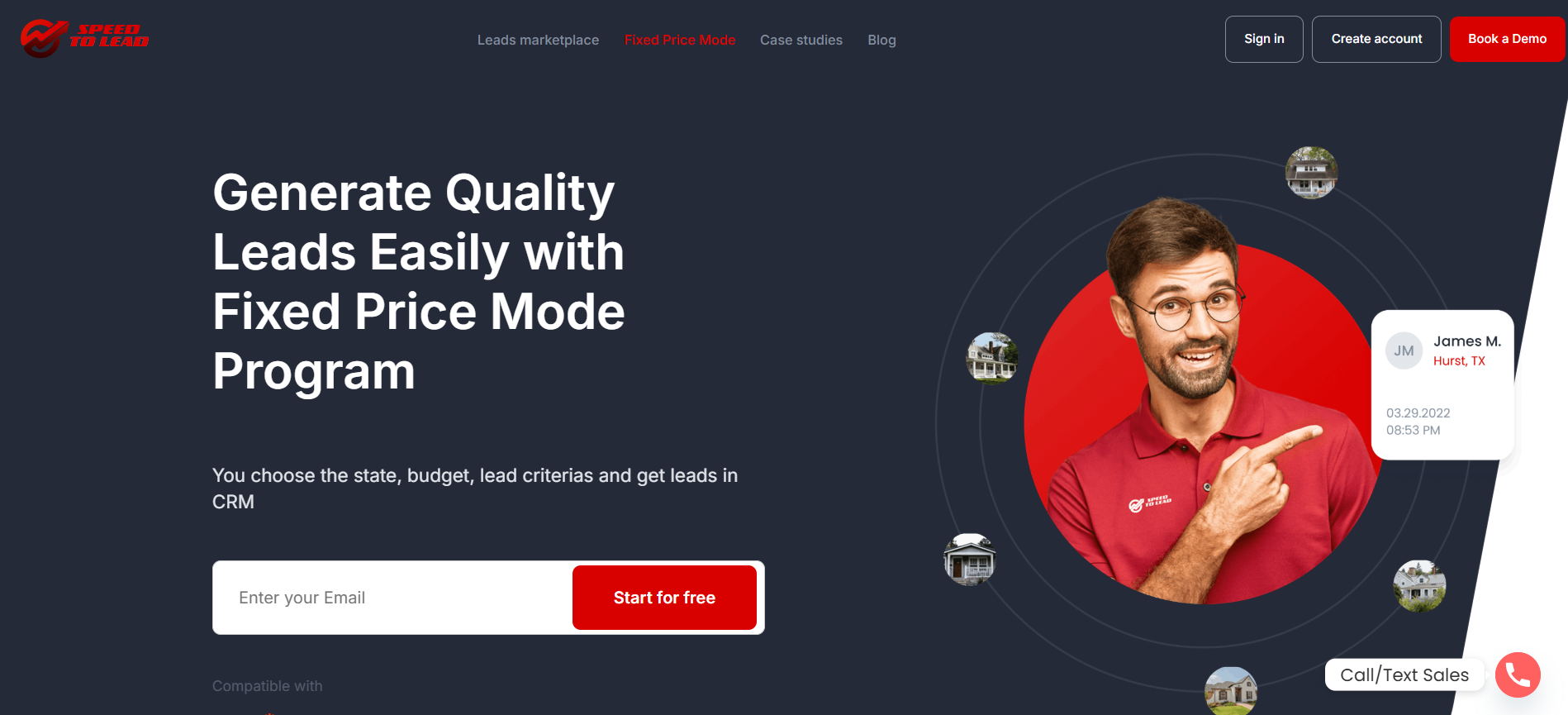
The modern approach is to buy leads where the seller has already raised their hand, and where the underlying circumstance, including divorce, has already been captured and verified. Instead of guessing from a court filing, you see the seller’s stated situation, timeline, and motivation before you spend a dollar.
This is the model behind iSpeedToLead’s live lead marketplace. Sellers are filtered on urgency, equity, and motivation, and reasons for selling like financial pressure, relocation, and life events are part of what surfaces a lead in the first place.
For most investors, this is the fastest path from “I want divorce-motivated sellers” to “I am on the phone with one.”
Finding the lead is the easy part. Closing a divorce deal is almost always a follow-up game, and this is where most investors quietly lose money.
Divorce leads look hot on day one, then go quiet. The seller talks to a spouse, a cousin, or an agent friend, second-guesses, and stops answering. That silence is not a dead lead; it is the middle of a process.
The data on when off-market deals actually close makes this obvious:
Here is the part that stings: if you stop following up at day 30, you walk away from roughly 94% of the deals that lead would have eventually produced. Divorce sellers in particular need time, because the legal process itself sets the pace.
This is why the follow-up system matters as much as the lead source. Inside MyCRM, every divorce lead can be tracked by status, and the built-in AI follow-up sequences keep the seller engaged across calls, texts, and email so you are still there when the settlement finally forces the decision.
Investors like Dallas Turley have closed $60K across four deals sourced through the marketplace, and Misty Arellano landed three contracts for under $2,000 in spend, with two novations listed on the MLS. Both outcomes came from working motivated sellers with discipline, not from a single lucky first call.
The lesson for divorce leads is simple. Show up early, then keep showing up.

iSpeedToLead is built around the exact things divorce leads demand: real motivation, verified data, and the follow-up infrastructure to convert slow-ripening deals.
It draws on 19 months of tracked outcomes across 74,000+ leads, and the top 19% of scored leads account for roughly 40% of confirmed wholesale outcomes.
Together, these turn a chaotic, adversarial lead type into a repeatable acquisition channel.
Getting into divorce-motivated seller flow takes a few minutes.
From there, the workflow is the same every week: buy motivated sellers, work them with patient follow-up, and let the deals ripen.
Divorce leads reward investors who understand that motivation and patience matter more than a scraped list.
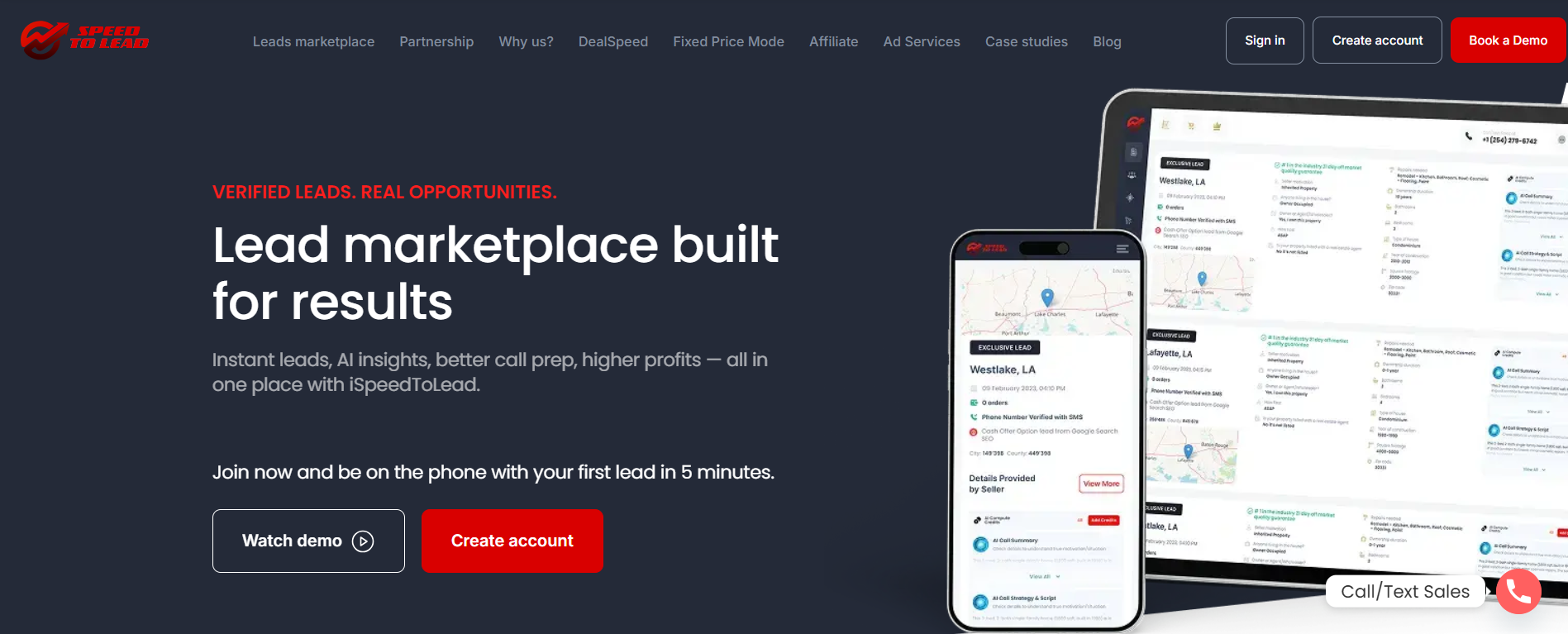
iSpeedToLead gives you both, pairing verified, AI-scored motivated sellers with the CRM and follow-up automation that carry a divorce deal from first contact to close, however long the split takes to settle.
Book a demo with iSpeedToLead to see how DealPredictor scores divorce-motivated sellers in your target market.
Read Next:
Divorce leads are among the strongest motivated seller leads for real estate investors, because a split forces an equity division and a timeline that create real urgency to sell. The key is sourcing verified sellers and following up patiently, since most divorce deals close over several months.
You find motivated sellers going through a divorce through public court records and skip tracing, attorney and mediator referral networks, or verified motivated-seller marketplaces like iSpeedToLead, where the seller’s circumstance is already captured and AI-scored before you buy.
Buying divorce leads is better than scraping court filings because a marketplace lead is a seller who has already expressed intent, with a verified address and property data attached, while a raw court filing only tells you a marriage ended, not that the owner is ready to sell.
It typically takes months to close a divorce lead, with the median motivated seller reaching close in about 73 days and roughly 80% of deals closing between day 31 and day 180, which is why consistent follow-up inside a CRM is essential.
It costs almost nothing to try iSpeedToLead for divorce leads, because the GET90 code gives you 90% off your first lead, and financing through Affirm, Klarna, and Afterpay is available for larger lead purchases.
July 4, 2026

July 3, 2026

June 30, 2026

June 29, 2026

June 28, 2026

June 27, 2026

June 26, 2026

June 25, 2026

June 24, 2026
Select the type of leads you're interested in.

