Direct Mail vs PPC vs Cold Calling for Wholesalers: Which Channel Wins in 2026?
Direct mail vs PPC vs cold calling is the core channel decision every wholesaler faces: whether to reach motivated sellers through the mailbox, the search bar, or the phone.
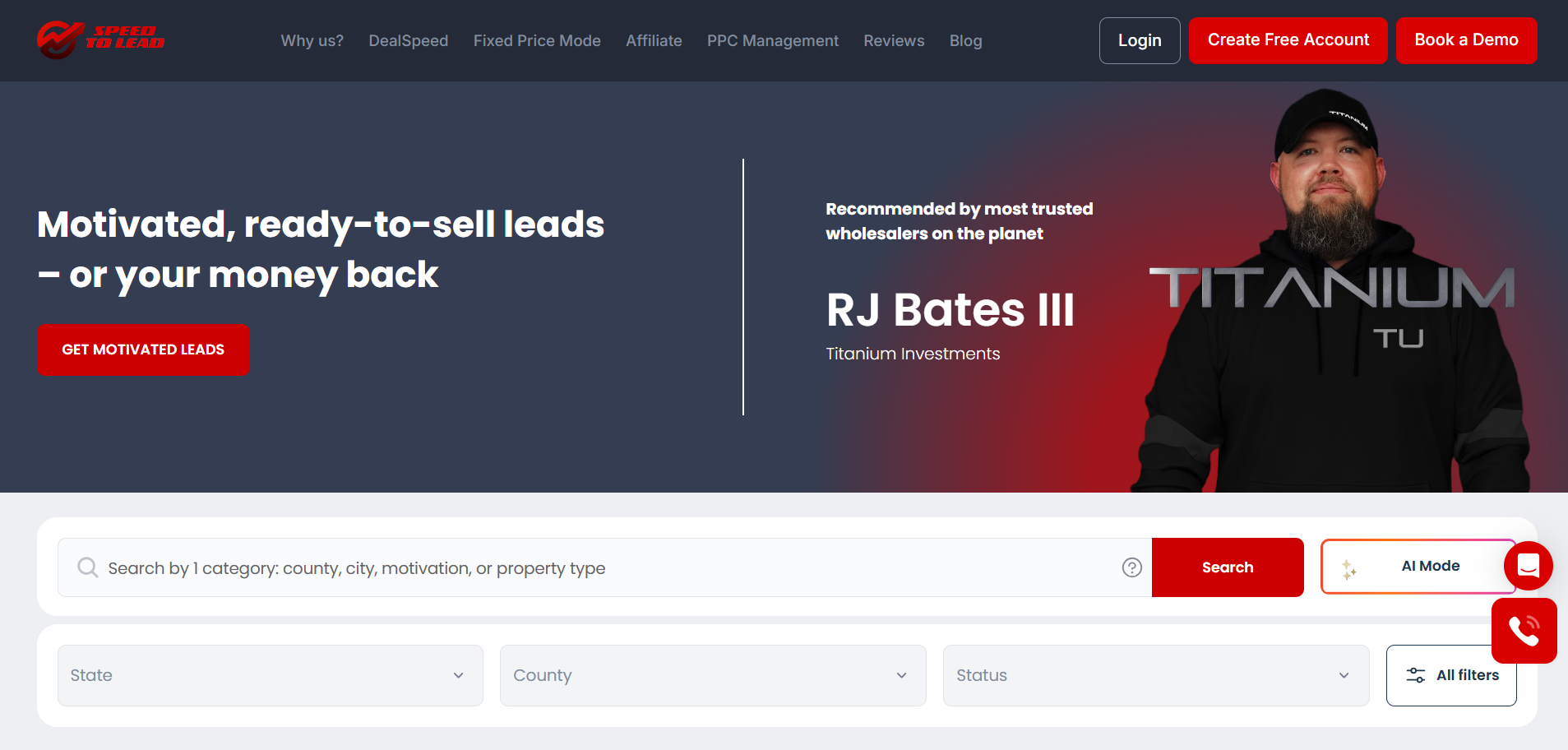
iSpeedToLead is the pay-per-lead marketplace that runs PPC and cold calling at national scale for 12,000+ active investors, then lets them buy the qualified results one lead at a time.
All three channels still close deals in 2026. They differ in cost per contract, time to first conversation, and how much infrastructure you have to build before a seller picks up.
This article compares each channel head to head, shows the math that decides the winner, and explains where buying pre-qualified leads fits.
A winning lead channel is the one that produces signed contracts at the lowest total cost for your specific operation. Most channel debates compare cost per lead or response rate. Those are inputs, not outcomes.
Here’s what actually separates the three channels:
The stakes are real. Jerry Norton put the market pressure plainly:
“In some markets like Phoenix, I was talking to Brent Daniels and he was telling me cost per contract is up to $12,000, maybe even higher. You’re paying a lot of money in these markets to get a contract in marketing cost.”
Jerry Norton, Flipping Mastery / Joe Home Buyer
Norton has also said that anything under $5,000 in cost per contract puts you well ahead of the game. Keep that benchmark in mind for every channel below.
Direct mail wins on list targeting and reach. It puts your offer in front of owners who aren’t searching online and don’t answer unknown numbers.
What direct mail does well:
Where it costs you:
The slow cadence does fit how sellers behave. About 36% of all off-market deals close between Day 61 and Day 90, the single highest-volume closing window. Mail’s patient rhythm matches that cycle, but it also means your capital is tied up for months before it returns.
Direct mail fits investors with patient capital, a single target county, and a team already answering inbound calls. Worth noting: iSpeedToLead doesn’t source leads through direct mail, so if mail is core to your strategy, it runs alongside the marketplace rather than through it.
PPC produces the highest-intent inbound seller of any channel. A homeowner typing “sell my house fast” or “cash home buyers near me” is raising their hand right now.
What PPC does well:
Where it costs you:
PPC fits operators with a dedicated marketing budget, tracking in place, and an acquisitions team that responds within minutes. The intent is unmatched; the build is the price of entry.
Cold calling reaches homeowners who have never entered any digital funnel. That’s its biggest strength, and it’s why serious operations keep it in the mix.
What cold calling does well:
Where it costs you:
Jerry Norton described the tradeoff this way:
“The free methods and the low-cost methods, outreach, cold calling, those methods require a lot of follow-up, and typically they require a team of cold callers and acquisitions people. What we found is that with PPL you can skip right to the front of the line and spend most of your time talking to sellers that actually want to sell, like right now.”
Jerry Norton, Flipping Mastery / Joe Home Buyer
Cold calling fits investors building a sales operation or those who want to dial personally to sharpen their skills. It’s also one of iSpeedToLead’s largest sources, which is covered below.
The three channels trade off along the same few dimensions. Here’s how they stack up, alongside the pay-per-lead option.
| Channel | Seller intent at first contact | Time to first lead | Upfront commitment | What you build | Best fit |
|---|---|---|---|---|---|
| Direct mail | Varies, often early-stage | Weeks per drop | List, print, postage | List sourcing, call answering | Patient capital, one market |
| PPC | Highest, actively searching | Days, after setup and testing | Ad budget plus testing | Landing pages, tracking, fast response | Budget plus speed |
| Cold calling | Uncovered in conversation | Once dialing starts | Lists, skip tracing, dialer, callers | Call team, scripts, compliance | Investors building sales teams |
| Pay-per-lead (iSpeedToLead) | Qualified and AI-scored | Same day | Per lead, from $39 | Follow-up process only | Wholesalers focused on closing |
The pattern is clear. Each self-run channel asks you to become a lead generation business before you become a deal-closing business.
Choosing between direct mail, PPC, and cold calling comes down to your capacity, your cash cycle, and whether you want to run lead generation at all.
A channel only works if you can staff it. Ask three questions before committing:
If the honest answer to all three is no, building a channel will stall before it produces.
Judging a channel after 30 days undercounts its results. The median time from lead purchase to close on iSpeedToLead is roughly 73 days, and the Day 61 to 90 window produces more closings than any other.
Track every channel for at least a full quarter, then compare cost per contract against Norton’s sub-$5,000 benchmark.
Generation and conversion are two different jobs. Mail, PPC, and cold calling all require you to do both.
Buying leads lets you hand off generation and put your hours into conversations, negotiation, and dispo. That’s the fourth option most channel comparisons skip.
Pay-per-lead lets you access the results of PPC and cold calling without running either one. iSpeedToLead sources through six channels, including Google PPC and cold calling, across 48 states, then publishes qualified leads into the live lead marketplace for investors to preview before buying.
Before a lead goes live, roughly 40% of incoming leads are filtered out. Cold call leads are triple verified through AI and LLM qualification, and every surviving lead gets a DealPredictor score so you can see its grade before you spend a dollar.
Here’s the cost-per-deal math at entry-level member pricing:
| Lead tier | Entry price | Approx. close ratio | Approx. lead spend per deal |
|---|---|---|---|
| Exclusive (0–24 hrs, one buyer) | From $199 | ~1 in 10 | ~$1,990 |
| Sale (48+ hrs, non-exclusive) | From $39 | ~1 in 45 | ~$1,755 |
At standard Exclusive pricing of around $325, that figure rises to roughly $3,250 per deal. Both land under Norton’s $5,000 benchmark, and well under the $12,000 he cited for Phoenix, though results always depend on your follow-up and market.
Real investors have tested this directly. Misty Arellano split-tested iSpeedToLead against two other pay-per-lead companies, chose to use only iSpeedToLead for lead quality and service, spent under $2,000, and landed three contracts, two of them novations.
“I just hopped on iSpeedToLead and I dialed three people. I bought three leads, dialed three people, and the first one that answered is a contract.”
Cassandra Deas, Titanium Investments
iSpeedToLead’s take: for most wholesalers in 2026, the winning channel isn’t one you build. It’s PPC and cold calling output you buy at the lead level, with direct mail reserved as a long-horizon supplement for operators who already have a team answering phones.
The downside is real, and worth naming. A single lead costs more than a mail piece or a dial, non-exclusive tiers can be purchased by multiple investors, and no lead closes without disciplined follow-up. If you want to own a proprietary list in one hyper-local farm, a self-run channel may still suit you better.
iSpeedToLead gives you the two highest-performing acquisition channels without the build, the testing, or the team. Here’s why it’s the best motivated seller lead marketplace for wholesalers weighing their channel mix.
iSpeedToLead runs Google PPC and cold calling alongside Facebook, YouTube and TikTok, email outreach, and SEO. You get multi-channel deal flow across 48 states from a single marketplace. For the full channel breakdown, see these lead sources ranked by closing rate.
Cold call leads aren’t raw dials. They’re qualified conversations with AI and LLM screening, and 97.5% of published leads carry a verified property address, with 85%+ matched to public property records.
DealPredictor was built on 19 months of tracked outcomes across more than 74,000 leads and informed by 20,000+ closed deals. The top 19% of scored leads account for roughly 40% of confirmed wholesale outcomes, and A+ leads close at about 4× the platform average.
Every lead card shows the source, motivation, timeline, call summary, and score before purchase. You pay only for the leads you choose.
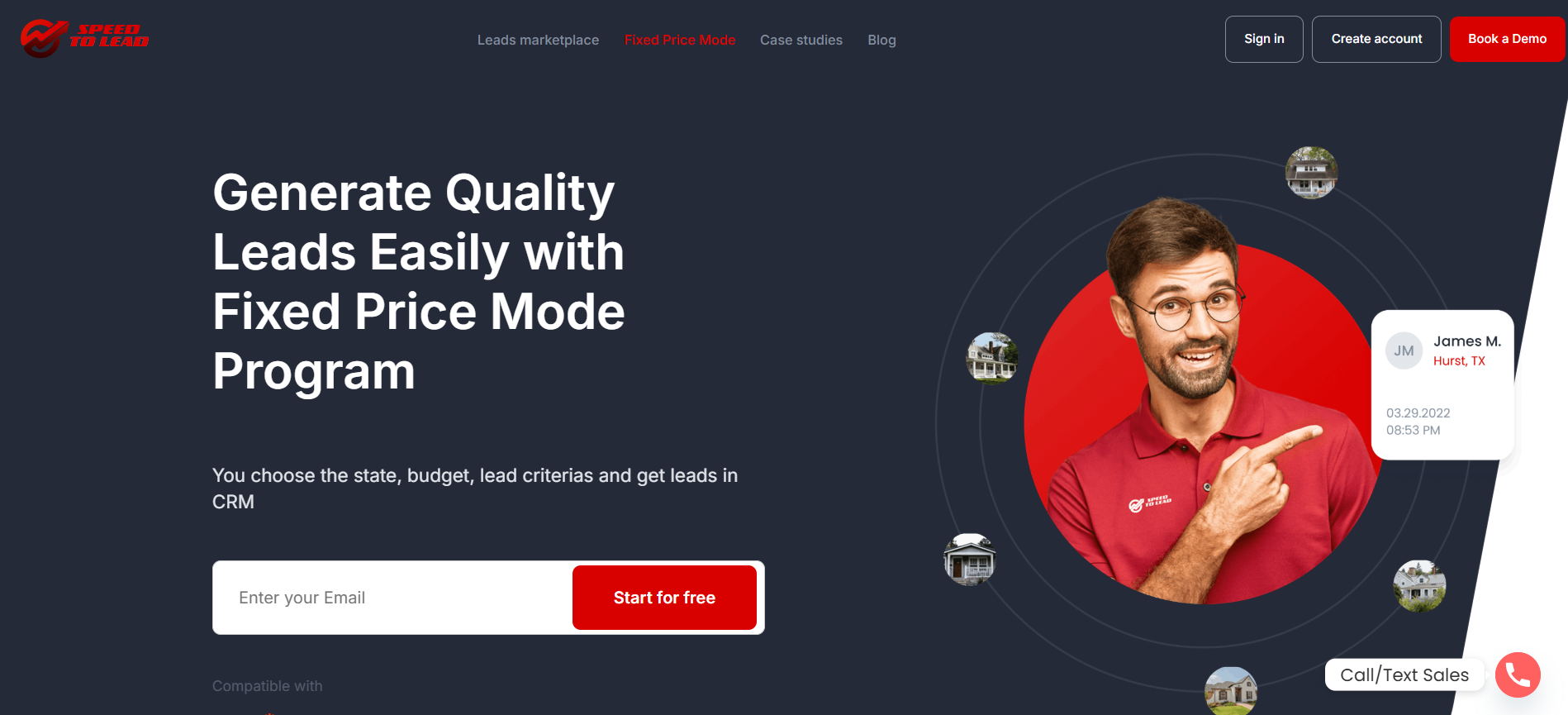
AutoMatch delivers matching exclusive leads automatically, and AutoMatch members convert at 3× the rate of standard shared lead buyers. Fixed Price Mode lets you auto-buy across up to 5 states, with a $500 recommended minimum monthly budget.
Eligible Exclusive and Active leads carry a 21-day refund window, with a 78.2% refund approval rate across roughly 10,850 analyzed tickets.
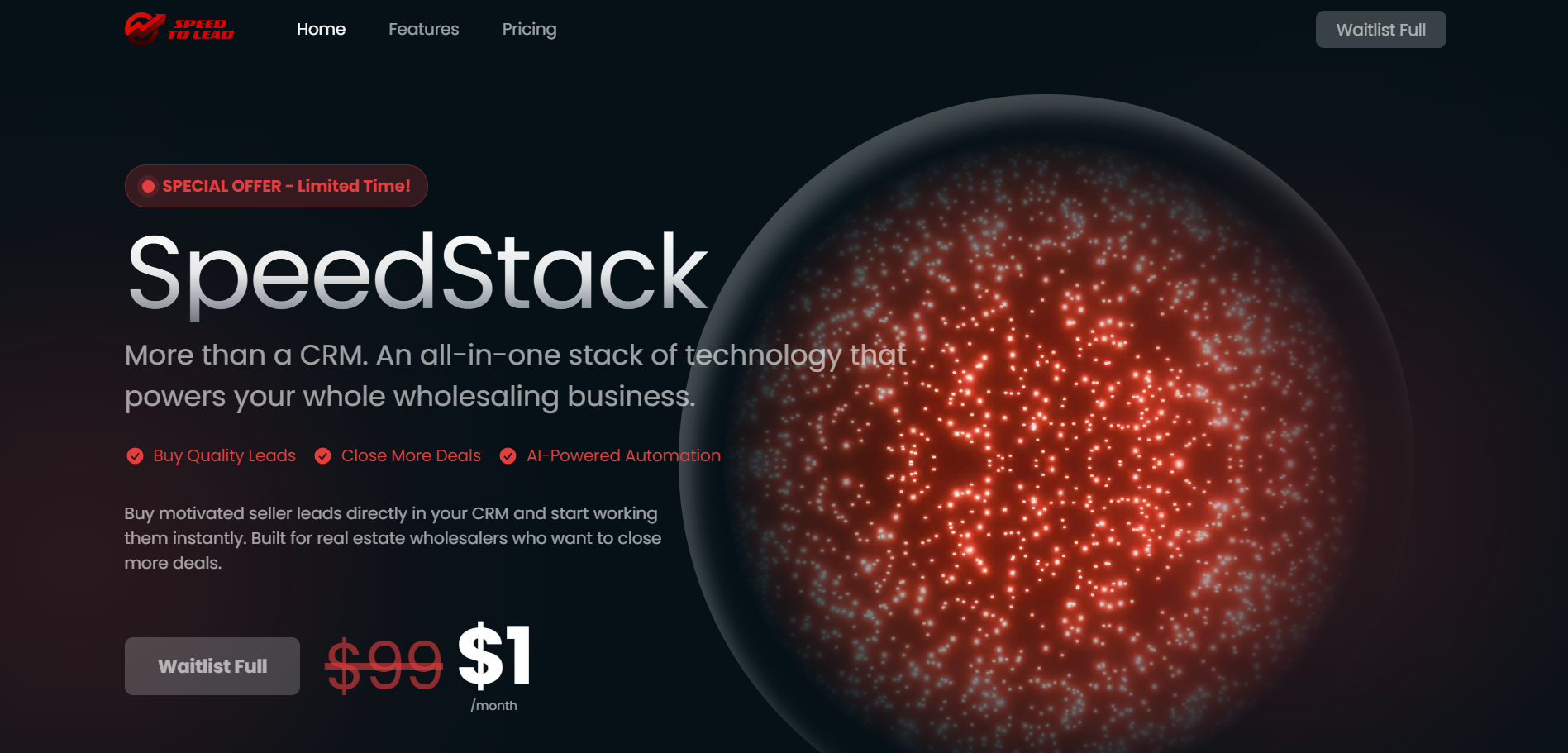
Purchased leads land in MyCRM, where the AI Follow-Up System automates SMS, email, call, and voicemail touches targeting response rates above 15%. Once you’re under contract, DealSpeed connects you with 6M+ buyers and 200K+ agents.
Getting started takes minutes, and there are no long-term contracts or monthly minimums.
Need more buying power? Deposit packages add 40–50% bonus balance, and financing through Affirm, Klarna, or Afterpay is often available at 0% interest.
For more options, see the 10 best ways to buy real estate leads in 2026.
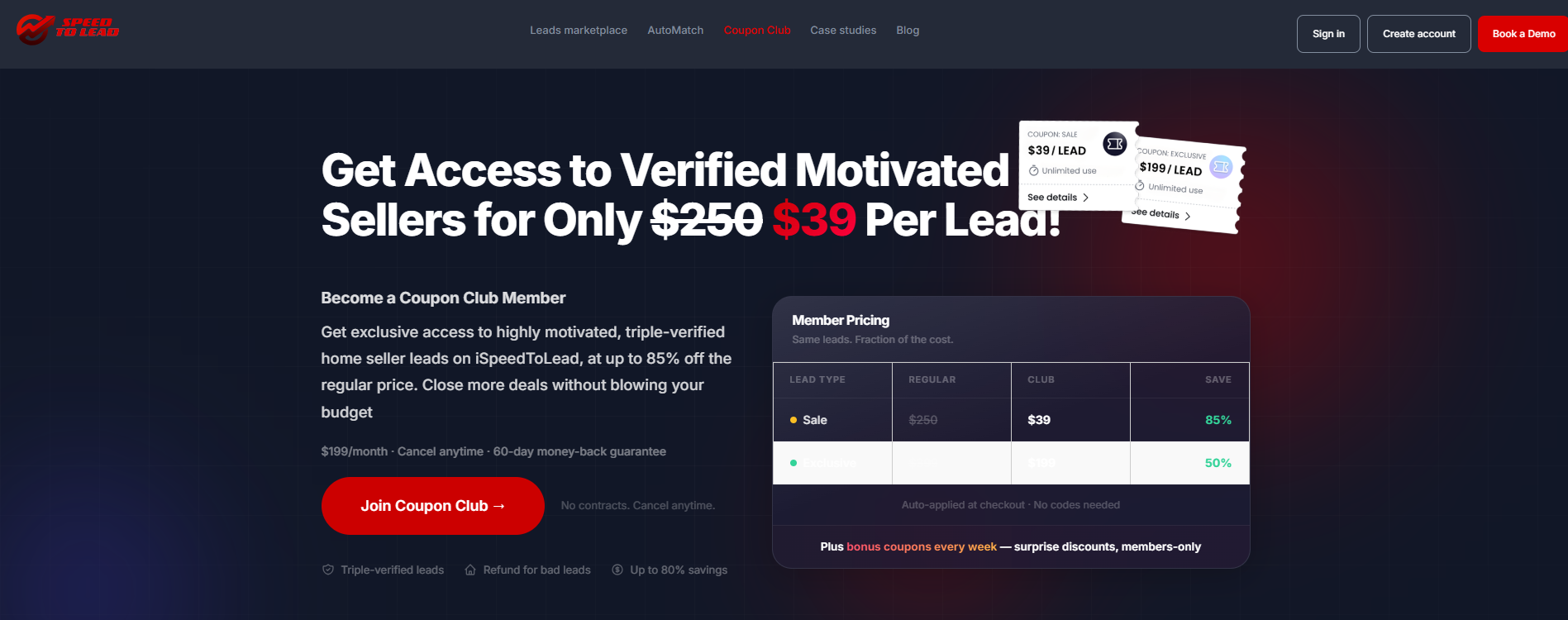
iSpeedToLead turns the direct mail vs PPC vs cold calling debate into a simpler decision: buy the qualified output of the strongest channels instead of building them yourself. Mail, PPC, and cold calling all close deals, but only when you carry the infrastructure, testing, and management load that comes with each.
For wholesalers who’d rather spend their hours closing than generating, pay-per-lead delivers verified, AI-scored sellers at a cost per deal that holds up against any self-run channel.
Book a demo to see how PPC and cold call leads look in your target market today.
Read Next:
Yes, pay-per-lead is better than direct mail for most wholesalers in 2026 because you pay only for qualified sellers you choose, instead of funding lists, printing, and postage before anyone responds. iSpeedToLead also scores every lead with DealPredictor, so you can prioritize before you dial.
iSpeedToLead generates cold calling leads by running live conversations with homeowners, then triple verifying each one through AI and LLM qualification before publication. About 40% of incoming leads are filtered out, and the rest are scored and published with call summaries.
The difference between PPC leads and cold calling leads is who starts the conversation: PPC sellers initiate contact by searching, while cold calling reaches owners who never entered a digital funnel. iSpeedToLead offers both in the same marketplace.
Yes, you can use direct mail and iSpeedToLead together, with mail working a long-horizon list in one county while the marketplace supplies qualified PPC and cold call leads across up to 48 states. Both can be managed in MyCRM for consistent follow-up.
One wholesale deal takes roughly $1,755 to $1,990 in lead spend on iSpeedToLead at entry-level member pricing, based on ~1 in 45 close ratios for Sale leads and ~1 in 10 for Exclusive leads. New members can use code GET90 for 90% off their first lead.
September 19, 2026

September 18, 2026

September 17, 2026

September 16, 2026
September 15, 2026
September 14, 2026
September 13, 2026
September 12, 2026
September 11, 2026
Select the type of leads you're interested in.

