Code Violation Leads: How Property Distress Signals Seller Motivation

Code violation leads are property owners cited by their local municipality for housing, safety, or maintenance violations, making them one of the clearest visible signals of property distress an investor can find.
iSpeedToLead, the best motivated seller lead marketplace for real estate investors in 2026, treats code violations as one input in a larger motivation picture, scoring every lead against outcomes from 20,000+ closed deals before an investor ever sees it.
Here’s the part most investors miss: in ISTL’s closed-deal dataset, property condition alone almost never closes a deal; it only converts when combined with another motivation trigger.
This article breaks down what code violations actually tell you about a seller, how distress translates into real motivation, and where to find these leads without pulling raw municipal lists yourself.
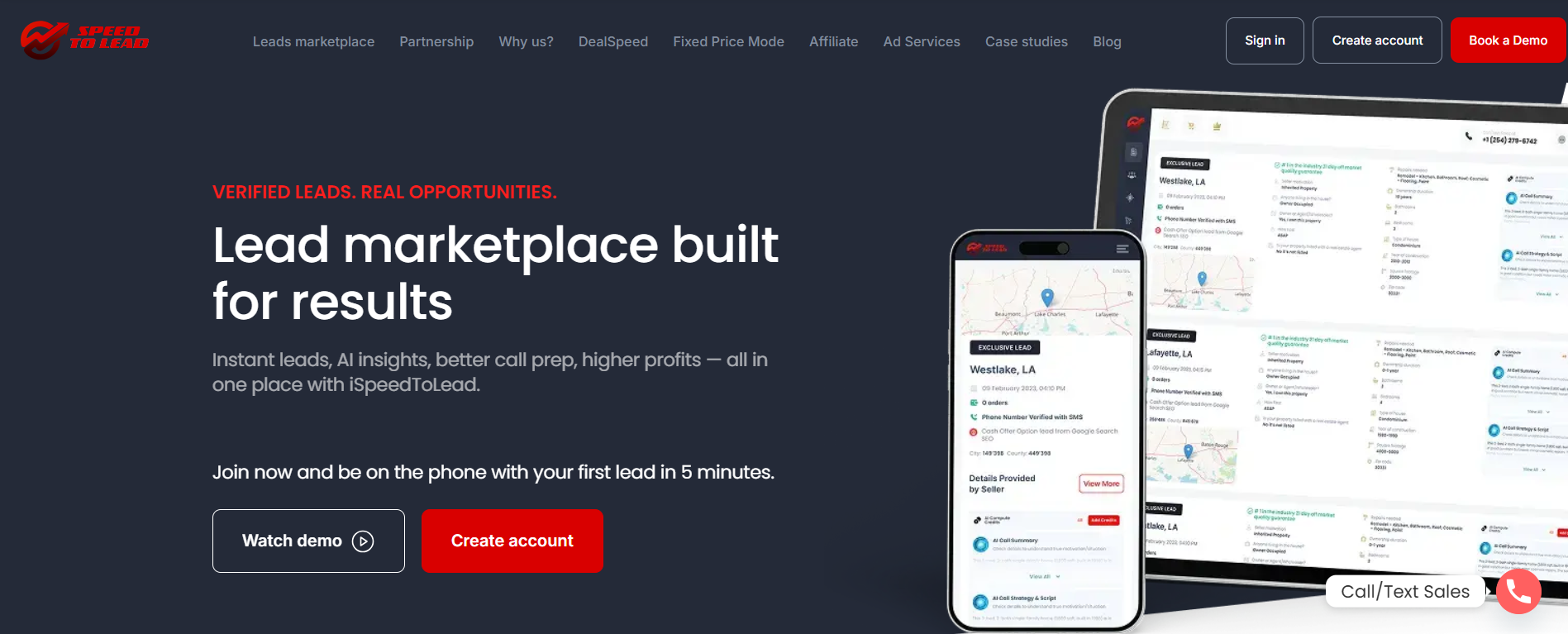
The industry treats code violation lists like a cheat code: pull the list, skip trace it, and start dialing “distressed” owners. The data says that framing is wrong.
A code violation tells you something is wrong with the property. It does not tell you the owner wants to sell, needs to sell, or would accept a discounted offer. Plenty of cited owners simply fix the issue, ignore the notice, or fight it.
In the motivation framework built from ISTL’s closed-deal data, code violations show up in two different trigger categories, and the difference between them is the difference between a dead lead and a contract:
One citation is a repair problem. Accumulating citations, with fines compounding on an owner who also has liens or missed payments, is a motivation problem.
The key insight from the dataset applies directly here: motivation is circumstance, not emotion. A verifiable constraint, like escalating municipal fines the owner cannot afford to resolve, is what predicts closing. The violation itself is just the visible surface of that constraint.
For a deeper dive into this distinction, see what makes a motivated seller actually motivated.
Property distress signals seller motivation when it creates a cost the owner cannot ignore. A leaking roof is a condition; a code citation with compounding fines attached to that roof is a constraint, and constraints are what move sellers.
The mechanism works in three steps:
This is why visible distress predicts motivation only in context. A wealthy owner with one citation has an inconvenience; an owner with citations, missed payments, and a tenant problem has a circumstance. DealPredictor reads distress this way by design, weighing property distress factors alongside motivation indicators, timeline urgency, and ownership context rather than scoring the property alone.
Distress is the visible surface of motivation, but the constraint underneath is what signs the contract.
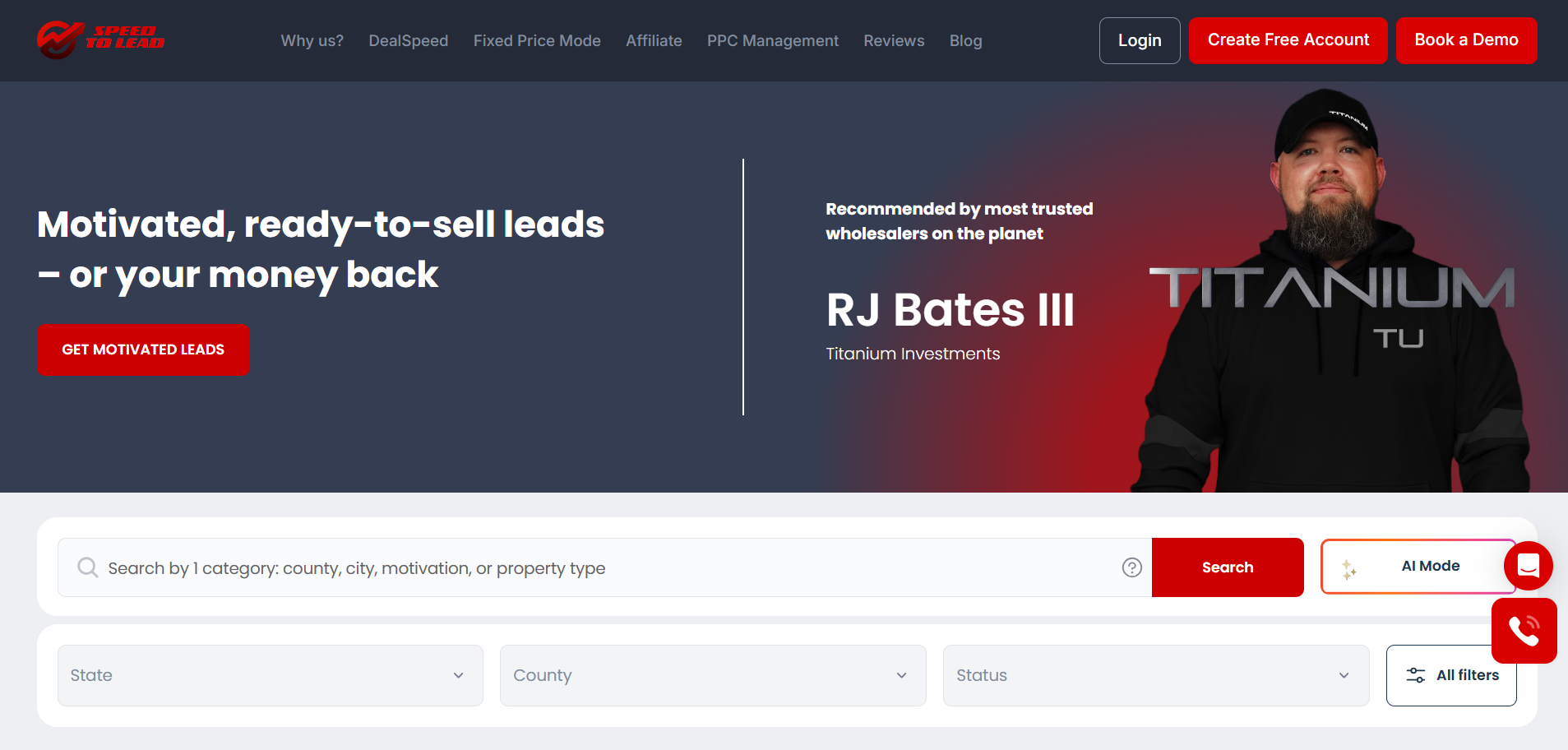
Treating every cited property as a hot lead burns time and budget. Working them correctly means qualifying the circumstance behind the citation, not the citation itself.
A violation paired with any other verified motivation trigger changes the math entirely. The strongest pairings from the closed-deal framework:
If you can only verify the violation and nothing else, deprioritize the lead. If you can verify a second constraint, move fast.
Code violations often point to real deferred maintenance, which affects your offer. An owner facing a $15,000 repair bill to satisfy the city has a concrete number in their head that makes a discounted cash offer rational rather than insulting.
Frame your offer against their alternative: paying for the repair, paying the accumulating fines, or selling as-is. When the as-is sale is the cheapest exit, you’re not convincing anyone of anything.
“Our job isn’t to create motivation, it’s to uncover motivation.”
— Jerry Norton, Flipping Mastery
Owners with code violations rarely sign in week one. They try to fix it, fight it, or ignore it first, and only come back to a cash offer once those paths fail.
The platform data backs this up: about 36% of all off-market deals close between Day 61 and Day 90, the single highest-volume closing window. Median time from lead purchase to close runs approximately 73 days. Build a follow-up cadence that survives that timeline instead of quitting at day 14.
An AI Follow-Up System that automates touches across SMS, email, calls, and voicemail keeps these leads warm without manual effort, targeting response rates above 15%.
Some cited owners try the retail route first, listing the property hoping a buyer overlooks the condition. It rarely works, and that failure is your opening.
Approximately one in five wholesale-grade deals comes from a seller who first tried to list on the MLS and failed. Sellers who pulled their listing did so after a median of roughly 57 days, and a seller who tried retail and failed is 4× more likely to accept a discount than a fresh contact. A code-violation property with an expired listing is one of the strongest lead profiles in the business.
Investors have a few options for sourcing these leads, and they vary enormously in the work required.
The first three approaches hand you a property with a problem. Only the last one hands you an owner who has already expressed intent to sell.
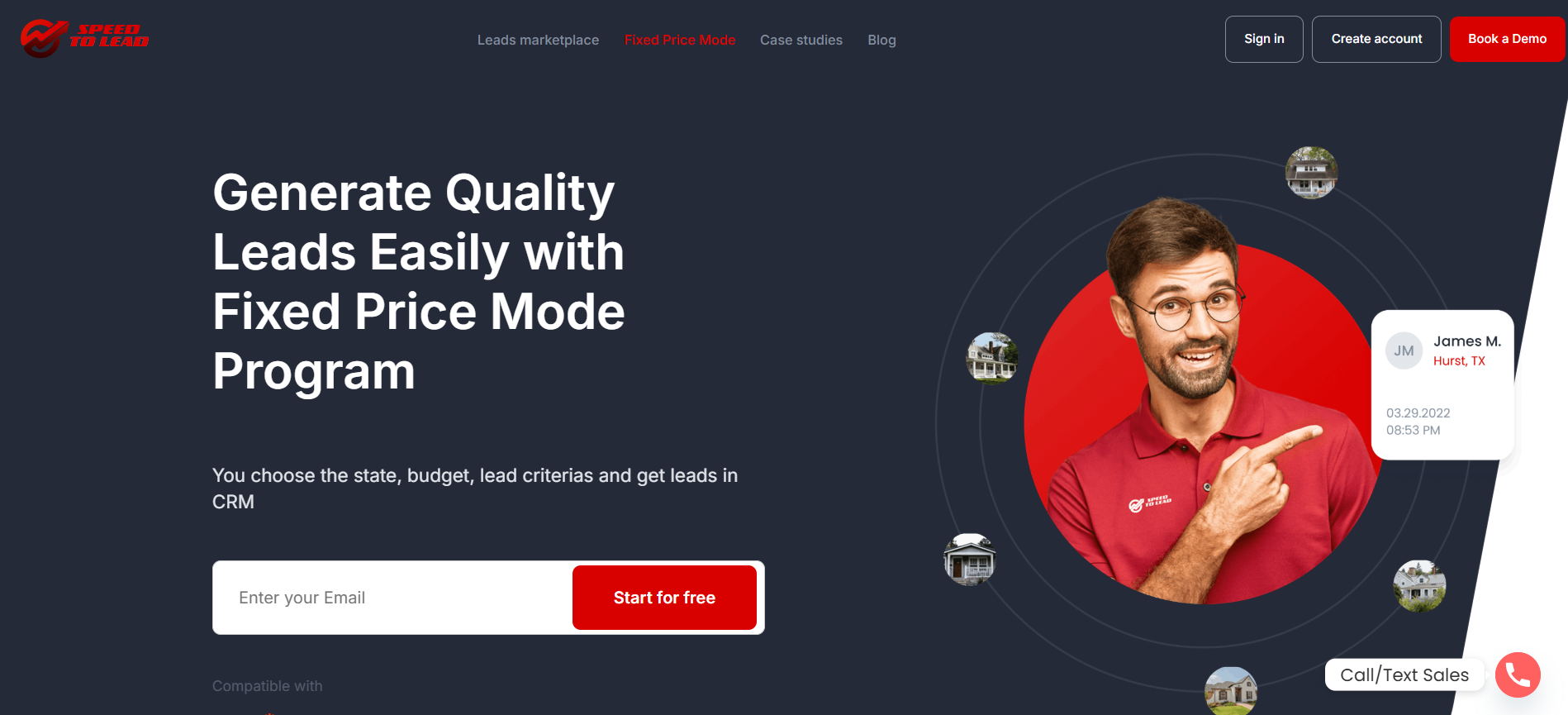
The gap between a violation list and a closable lead is verification and scoring. That gap is exactly what the platform was built to close.
It’s trained on 20,000+ closed deals and 74,000+ tracked leads across 19 months of outcome data.
Approximately 40% of incoming leads are removed before publication for being unreachable, already under contract, listed with an agent, or below the motivation threshold.
“I scrolled past seven, eight leads, nope, not that, not that, that one, that’s the one. It’s a location I’ve got a great buyer relationship, highly motivated, physically distressed, he’s willing to sell at a discount, we got him down 10,000 and we’re 22 minutes in and we got it.”
— RJ Bates III, Titanium Investments
The results show up in real accounts. Dallas Turley closed $60K across four deals from the marketplace, and Misty Arellano spent under $2,000 to land three contracts with two novations listed on MLS.
Getting your first distressed-seller lead takes minutes, not a marketing budget.
Start with one scored lead, apply the two-trigger test from this article, and compare that conversation to anything you’ve pulled off a raw violation list.

Code violation leads are only as valuable as the circumstance behind the citation, and iSpeedToLead is the only marketplace that verifies and scores that circumstance before you spend a dollar.
The violation is a signal; the second trigger, whether financial pressure, landlord fatigue, or a hard deadline, is what closes. Skip the raw lists and start with sellers whose distress has already been verified against 20,000+ closed deal outcomes.
Book a demo to see how DealPredictor scores distressed-property leads in your target market.
Read Next:
Yes, code violation leads are good leads for real estate investors, but only when the violation is paired with a second verified motivation trigger like financial pressure or timeline urgency. On its own, property condition rarely converts into a closed deal.
Property distress signals seller motivation when it creates a cost the owner cannot ignore, like compounding fines or repair orders that make an as-is cash sale the cheapest exit. Distress paired with financial pressure or a hard deadline is what predicts a closed deal.
Yes, buying verified leads is better than pulling raw municipal lists because city lists give you properties with problems, not owners with intent. Raw cold call lists convert at an industry baseline of 0.5%–2%, while ISTL leads arrive pre-qualified and AI-scored.
Closing a code violation lead typically takes two to three months, since about 36% of all off-market deals close between Day 61 and Day 90 and the median lead-to-close timeline is approximately 73 days.
Distressed seller leads on iSpeedToLead start from $39 for Sale tier leads and from $199 for Exclusive leads, and new members can use code GET90 for 90% off their first lead at checkout.

July 11, 2026

July 10, 2026
July 9, 2026

July 8, 2026

July 7, 2026

July 6, 2026

July 5, 2026

July 4, 2026

July 3, 2026
Select the type of leads you're interested in.

